In-Home ABA Therapy in Palo Alto: A Complete Guide for Families
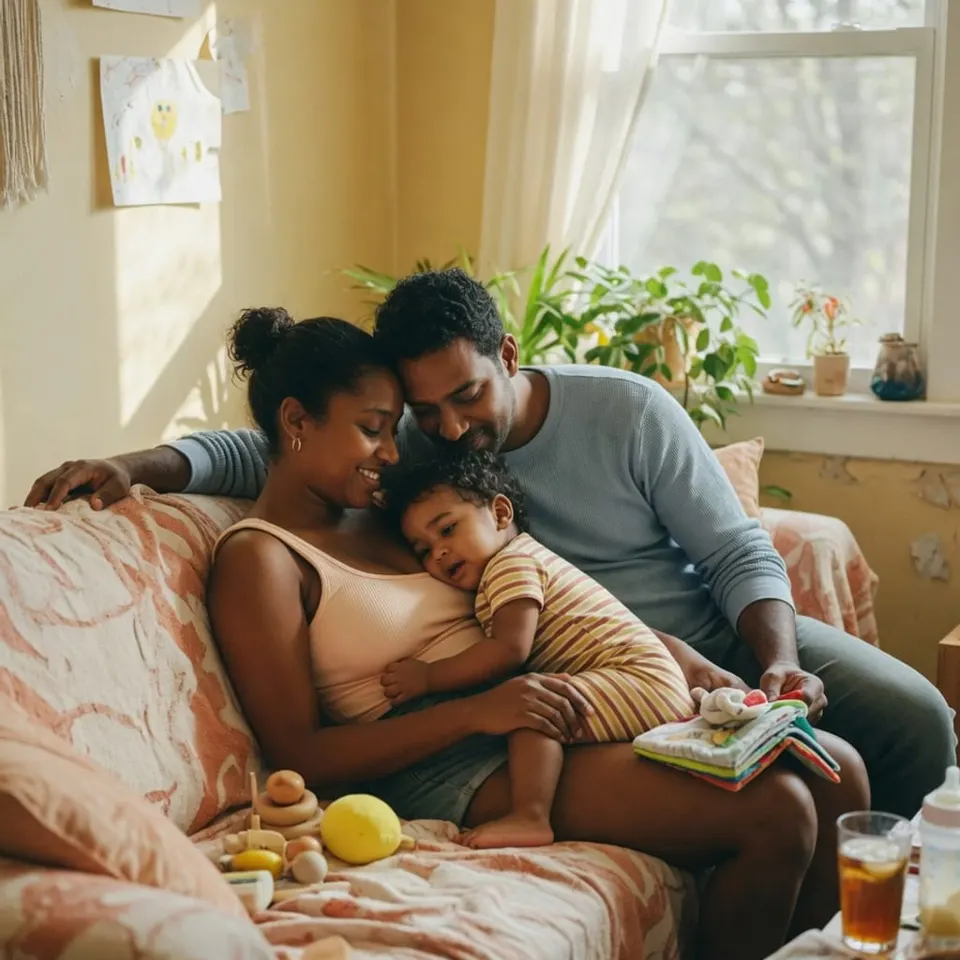
In short: In-home ABA therapy brings a Board Certified Behavior Analyst (BCBA) and trained therapists to your Palo Alto home to help your child build skills and reduce challenging behaviors in a familiar setting. It's often covered by insurance, including Medi-Cal, and can be a great fit for many families. We can help you get matched with a vetted, BCBA-led provider near you for free.
Key takeaways
- In-home ABA therapy in Palo Alto provides personalized, one-on-one support in a familiar environment, which can help with skill generalization.
- A BCBA designs and supervises the plan, while registered behavior technicians (RBTs) deliver most of the direct therapy.
- Most private insurance plans and Medi-Cal cover ABA therapy; check your specific plan for details.
- In-home sessions typically run 2-4 hours, several days a week, and involve active parent participation.
Understanding In-Home ABA Therapy in Palo Alto
If you're a parent in Palo Alto exploring support for your child with autism, you've likely heard about Applied Behavior Analysis (ABA) therapy. In-home ABA therapy is a service where a trained team comes to your house to work with your child, rather than you traveling to a clinic. This approach can be incredibly effective because it happens in the place where your child lives, learns, and plays every day.
In Palo Alto, a city known for its innovation and strong schools, families often seek out in-home ABA because it offers flexibility and a naturalistic setting. Your child works on goals in the same environment where challenges may occur, which helps them build skills that are practical and meaningful for daily life. This guide will walk you through everything you need to know, from how it works to how to pay for it.

🔗 Related reading: 2025 Texas Medicaid ABA Therapy Criteria Explained · Local ABA Therapy
Why Choose In-Home ABA Therapy?
Every family's situation is unique, but there are several compelling reasons why in-home ABA might be the right choice for your child.
Comfort and Familiarity
Your home is your child's comfort zone. For many children, especially those who struggle with transitions or new environments, learning in a familiar space reduces anxiety and helps them focus. The therapist can use your child's own toys, games, and routines as teaching tools, making therapy feel more like play and less like work.
Real-Life Skill Building
In-home ABA allows therapists to work on skills that are directly relevant to your family's daily life. This might include morning routines, mealtime behaviors, toileting, or bedtime transitions. Because the therapy happens where these activities naturally occur, your child is more likely to generalize the skills and use them consistently.
Parent and Family Involvement
In-home ABA is not just for your child; it's for your whole family. Therapists can coach you in real-time, showing you how to respond to challenging behaviors and reinforce positive ones. This collaborative approach empowers you to carry over strategies throughout the day, which can lead to faster progress.
Reduced Logistical Stress
No commuting to a clinic, no sitting in traffic on El Camino Real, and no waiting room time. In-home therapy comes to you, which can be a huge relief for busy families. It also makes it easier to coordinate with other therapies, school schedules, and your own work commitments.
What to Expect from In-Home ABA Therapy Sessions
If you're new to ABA, understanding the structure of sessions can help you feel more prepared. Here's a typical breakdown.
The Initial Assessment
Before therapy begins, a Board Certified Behavior Analyst (BCBA) will conduct a thorough assessment. This usually involves observing your child in your home, interviewing you about your concerns and goals, and reviewing any previous evaluations. The BCBA will use this information to create a personalized treatment plan.
Who Will Be in Your Home?
Your team will typically include a BCBA, who designs and supervises the program, and one or more Registered Behavior Technicians (RBTs) who work directly with your child. The BCBA will visit regularly to monitor progress, adjust the plan, and provide parent training. The RBTs are the ones who will be in your home for the majority of the therapy hours.
Session Structure and Activities
Sessions are not rigid. They are designed to be engaging and varied. A typical session might include:
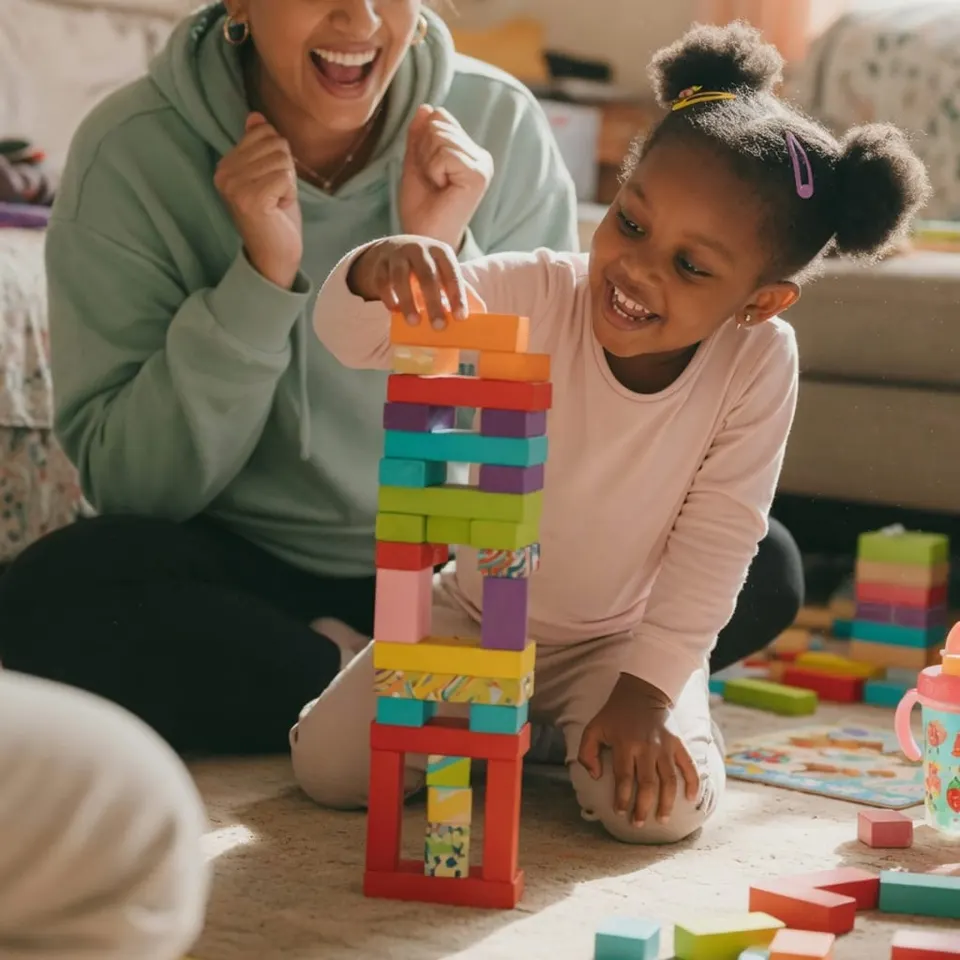
- Natural environment teaching, where the therapist follows your child's lead and turns play into learning opportunities.
- Structured teaching trials, which are short, focused activities to teach specific skills like requesting, labeling, or matching.
- Work on daily living skills, such as brushing teeth, getting dressed, or preparing a snack.
- Play and social skills practice, including turn-taking, sharing, and initiating interactions with siblings or peers.
- Positive reinforcement for desired behaviors, which is a core principle of ABA.
The specific goals will be unique to your child, but they often focus on communication, social skills, self-help, and reducing challenging behaviors like tantrums or aggression.
🔗 Related reading: Picky Eating & Autism: ABA Feeding Therapy Guide · Nearby ABA Therapy
Costs and Insurance Coverage for In-Home ABA
One of the biggest questions parents have is about cost. ABA therapy can be intensive, but it is also widely covered by insurance. In California, there are strong protections that require many health plans to cover medically necessary ABA treatment for autism.
Private Insurance
Most employer-sponsored and individual health insurance plans in California cover ABA therapy. This includes plans from major providers like Anthem Blue Cross, Blue Shield of California, Kaiser Permanente, and UnitedHealthcare. Coverage details vary, so it's essential to check your specific plan. You'll want to verify:
- Is ABA a covered benefit?
- Is there a deductible or copay?
- Do I need a referral or prior authorization?
- Is there a limit on the number of hours or visits?
Your chosen ABA provider will typically handle the insurance verification and billing process for you, but it's good to have a basic understanding.
Medi-Cal (California's Medicaid)
If your child has Medi-Cal, ABA therapy is covered as a medically necessary service. This is a crucial resource for many families in the area. Providers who accept Medi-Cal will work with you to ensure you understand the coverage and any requirements.
Out-of-Pocket Costs
If you don't have insurance or your plan doesn't cover ABA, you can pay privately. Rates vary, but in the Bay Area, you can expect to pay anywhere from $60 to $150 per hour, depending on the provider and the type of service (e.g., RBT vs. BCBA). Some providers offer sliding-scale fees, so it's worth asking.
Because the cost can be significant, it's wise to explore all your options. A good first step is to contact your insurance company to understand your benefits. You can also reach out to a free service like ours to help you navigate the process and connect with providers who fit your needs.
How to Find the Right In-Home ABA Provider in Palo Alto
Choosing a provider is one of the most important decisions you'll make. Here are some factors to consider.
Qualified and Experienced Staff
Look for a provider that employs Board Certified Behavior Analysts (BCBAs) who are licensed in California. Ask about their experience with children similar to yours, and whether they have a track record of success with in-home services. You also want to know about the training and supervision of the RBTs who will be in your home.
Approach and Philosophy
ABA is not a one-size-fits-all approach. Some providers are more structured and drill-based, while others use a more naturalistic, play-based style. Ask about their philosophy and how they tailor their approach to each child. Make sure it aligns with your family's values and your child's personality.
Communication and Collaboration
Effective ABA requires a strong partnership between the provider and your family. Look for a team that communicates openly, listens to your concerns, and values your input. You should feel comfortable asking questions and providing feedback at any time.
Local Presence
Choosing a provider with a local presence in Palo Alto or the broader Bay Area can be beneficial. They are likely familiar with local resources, schools, and the community. They also have a vested interest in their reputation in the area.
Use a Free Matching Service
Navigating the search can be overwhelming. That's where we come in. ABA Clinics Near Me is a free service that connects families with vetted, BCBA-led providers in Palo Alto and surrounding areas. We do the legwork to help you find a provider that meets your specific needs, saving you time and stress.
The Role of Parents in In-Home ABA
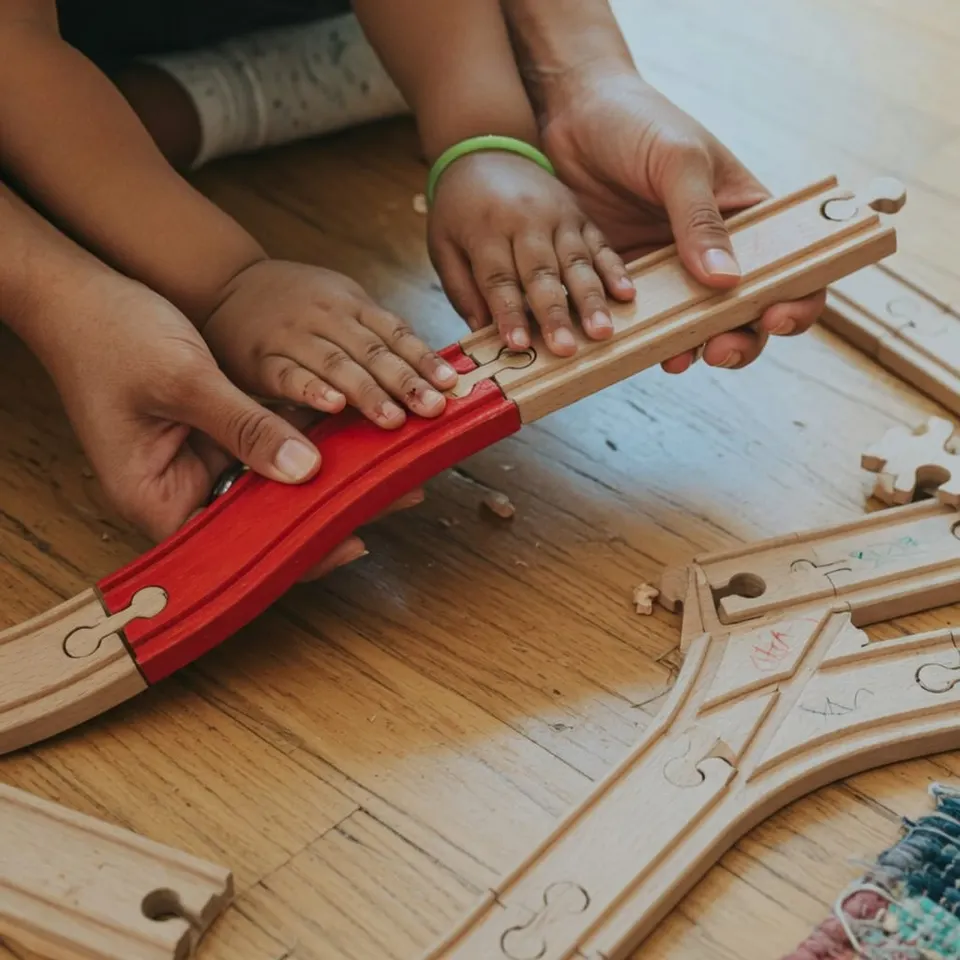
Your involvement is a critical ingredient in your child's success. In-home ABA is not something that happens to your child; it's something you do together.
Parent Training
Your BCBA will provide formal parent training sessions. These are not just lectures; they are hands-on opportunities to practice strategies with your child while the BCBA gives you feedback. You'll learn how to:
- Use positive reinforcement effectively.
- Give clear, concise instructions.
- Manage challenging behaviors calmly and consistently.
- Create a supportive home environment.
Consistency is Key
The skills your child learns during therapy need to be reinforced throughout the day. By using the same language and strategies as the therapy team, you help your child generalize their skills. This consistency between therapy time and family time leads to faster and more durable progress.
Advocacy and Collaboration
You are your child's best advocate. Share your observations with the team, celebrate their successes, and raise concerns early. A collaborative relationship between you and the provider ensures that the therapy remains relevant and effective.
Common Concerns and Mistakes to Avoid
It's natural to have questions and worries. Here are some common concerns and practical tips to navigate them.
Concern: "Will My Child Be Overwhelmed?"
In-home ABA is designed to be child-led and positive. Therapists are trained to read your child's cues and adjust the pace. They use reinforcement to make learning fun. However, it's important to communicate with the team if you feel your child is stressed. They can modify the approach.
Mistake: Not Being Present During Sessions
While it's okay to step away, being present during sessions (at least some of the time) is crucial. You'll learn strategies, see your child's progress, and build a relationship with the therapists. It also helps your child see that you're on board with this team.
Mistake: Expecting Immediate Results
ABA is a science, and progress can take time. It's not a quick fix. Celebrate small wins and trust the process. Your BCBA will track data and share progress reports, so you can see the growth over weeks and months.
Concern: "What About School?"
In-home ABA can complement school-based services. Your provider can coordinate with your child's school team, with your permission, to ensure consistency. This is especially helpful during transitions, like starting kindergarten or moving to a new grade.
Getting Started with In-Home ABA in Palo Alto
Taking the first step can feel daunting, but you don't have to do it alone. Here's a simple roadmap.
- Get a Diagnosis: If your child hasn't been formally diagnosed with autism, you'll need a diagnosis from a qualified professional (like a developmental pediatrician or psychologist) to access most insurance-funded ABA services.
- Check Your Insurance: Contact your insurance provider to understand your ABA benefits, including any deductibles, copays, and authorization requirements.
- Research Providers: Use our free matching service to get connected with vetted, BCBA-led providers in Palo Alto. You can also ask for recommendations from your pediatrician or local parent groups.
- Interview and Select: Once you have a few options, schedule phone calls or in-home visits. Ask about their experience, approach, and availability. Choose the one that feels like the best fit for your family.
- Start Therapy: Once you've selected a provider, they will conduct the initial assessment and create a treatment plan. Then, therapy can begin!
Remember, in-home ABA therapy is a journey, not a destination. With the right provider and your active involvement, your child can make meaningful progress and thrive. We're here to help you find that right provider, so you can focus on what matters most: your child's happiness and development.