Autism Therapy in Petaluma, CA: A Parent's Guide to Finding the Right Support
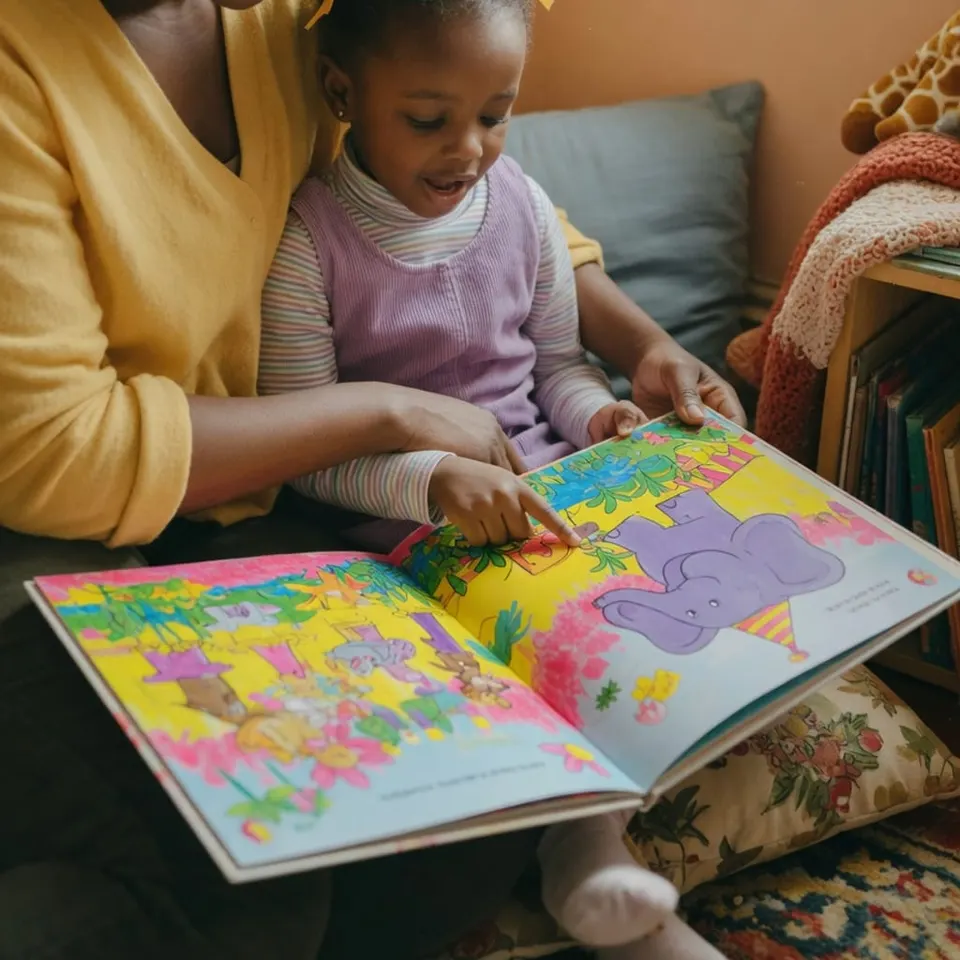
In short: If your child has an autism diagnosis in Petaluma, CA, you have several therapy options, with Applied Behavior Analysis (ABA) being the most common and often covered by insurance or Medi-Cal. A free matching service like ABA Clinics Near Me can connect you with vetted, BCBA-led providers in your area, saving you hours of research and phone calls.
Key takeaways
- ABA therapy is a leading, evidence-based approach for autism, and it's typically covered by private insurance and Medi-Cal in California.
- Early intervention (before age 3) can significantly improve outcomes, but therapy is helpful at any age.
- Always seek providers led by a Board Certified Behavior Analyst (BCBA) to ensure quality and ethical care.
- Petaluma families can access services locally and in nearby cities like Santa Rosa and Rohnert Park.
Understanding Autism Therapy in Petaluma, CA
If you're a parent or caregiver in Petaluma, California, searching for autism therapy, you're not alone. The journey to finding the right support can feel overwhelming, but it's also a path filled with hope and possibility. This guide will walk you through the types of therapy available, how to find qualified providers, and how to navigate insurance and costs-all with a focus on the unique landscape of Sonoma County.
Autism therapy is not a one-size-fits-all solution. It encompasses a range of approaches designed to help individuals with autism spectrum disorder (ASD) develop skills, reduce challenging behaviors, and improve their quality of life. The most widely recognized and evidence-based therapy is Applied Behavior Analysis (ABA), but other supportive therapies like speech and occupational therapy also play crucial roles.

🔗 Related reading: Ohio Regional Centers: Family Support Programs Guide · Local ABA Therapy
What is ABA Therapy and Why is it Common?
Applied Behavior Analysis (ABA) is a scientific approach that focuses on understanding and improving behavior. In the context of autism, ABA therapists work with children to increase positive behaviors (like communication and social skills) and decrease behaviors that may interfere with learning or daily life. It's a highly individualized therapy, with programs tailored to each child's unique strengths and needs.
A key component of quality ABA is the involvement of a Board Certified Behavior Analyst (BCBA). A BCBA designs and oversees the therapy program, conducts assessments, and supervises the Registered Behavior Technicians (RBTs) who work directly with your child. When you're looking for a provider, always ask: Is the program supervised by a BCBA? This is a marker of professionalism and ethical practice.
What to Expect in an ABA Session
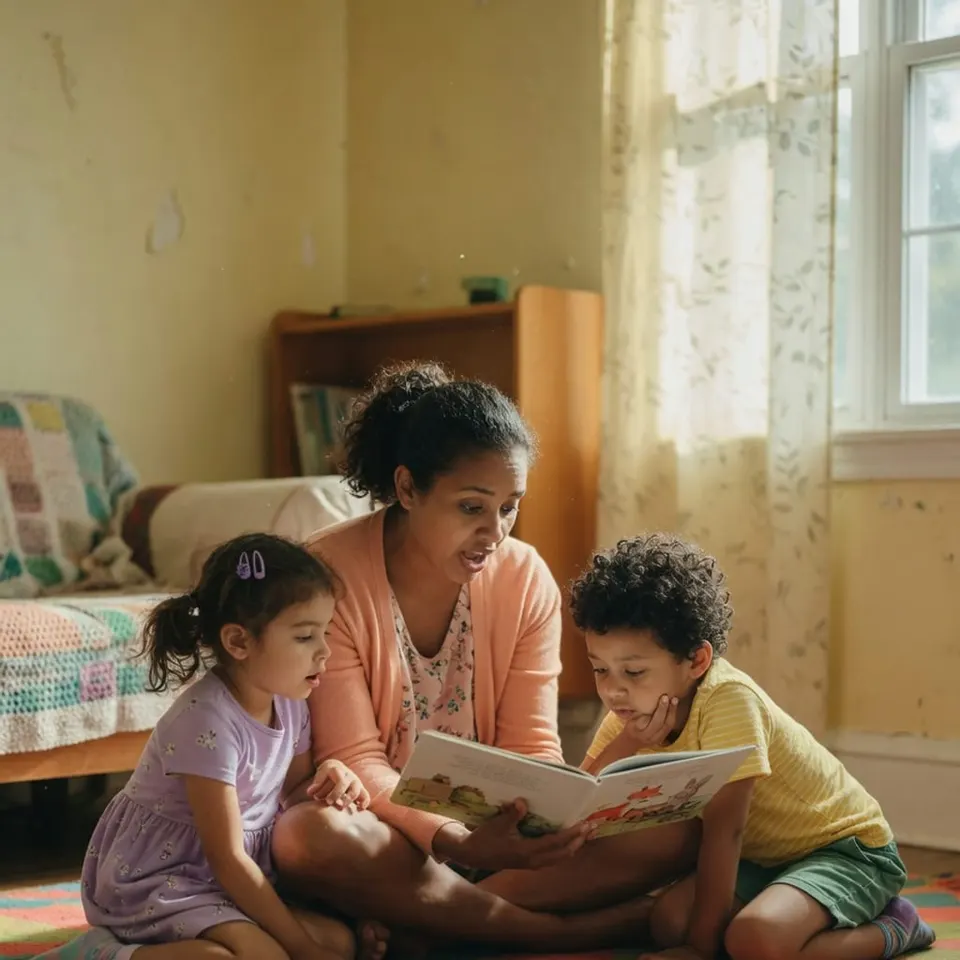
ABA sessions can look different depending on the child's age and goals. For young children, therapy often looks like play. Therapists use games, toys, and natural interactions to teach skills like requesting, labeling, and turn-taking. For older children and teens, sessions might focus on life skills, executive functioning, or social problem-solving. Sessions can take place in a clinic, at home, or in the community, depending on the provider and your family's needs.
It's important to remember that ABA is not about changing who your child is, but about giving them tools to navigate the world more independently. A good provider will always respect your child's neurodiversity and work with your family's values.
Finding ABA Providers in Petaluma and Sonoma County
Petaluma is a family-friendly city in southern Sonoma County, and you'll find several options for autism therapy within the city and in the broader region. Providers may operate in dedicated clinic spaces, offer in-home services, or both. When searching, you'll likely come across names of clinics in Petaluma, Santa Rosa, Rohnert Park, and even Novato in Marin County, which is just a short drive away.
Because the field is growing, you may encounter waitlists. This is where a free matching service like ABA Clinics Near Me can be a game-changer. Instead of calling every clinic on Google, you can provide your child's needs and your insurance information, and the service will connect you with vetted, BCBA-led providers who have availability. This saves you time and reduces the stress of cold-calling.
Local Resources and Support
Beyond private therapy providers, Sonoma County offers early intervention services through the state's Early Start program. If your child is under 3 and has a diagnosis or developmental delay, Early Start can provide evaluations and coordinated services. For school-age children, the Petaluma City Schools district offers special education services, and your child's IEP (Individualized Education Program) can include ABA-related goals, though direct ABA therapy is often provided by private agencies.
Connecting with local parent support groups can also be invaluable. Organizations like the Sonoma County chapter of the Autism Society of America or local Facebook groups can offer recommendations and emotional support from other families who've walked this path.
🔗 Related reading: Aetna ABA Therapy for 2-Year-Olds: Approval Tips · Nearby ABA Therapy
Costs and Insurance: What Petaluma Families Need to Know
The cost of autism therapy can be a major concern for families. The good news is that in California, ABA therapy is considered a medically necessary treatment for autism, and most private health insurance plans are required to cover it. This includes plans purchased through Covered California and employer-sponsored plans.
If your child has Medi-Cal (California's Medicaid program), ABA therapy is also covered. Medi-Cal beneficiaries can access services through managed care plans or through the regional center system. The regional center for Sonoma County is the North Bay Regional Center, and they can be a resource for coordinating services and funding for eligible children.
When you contact a provider, they will typically verify your insurance benefits and give you an estimate of any out-of-pocket costs like copays or deductibles. A matching service can help you find providers who accept your specific insurance, which is a huge time-saver.
What if I Don't Have Insurance?
If you are uninsured or underinsured, there are still options. Some providers offer sliding-scale fees or payment plans. Additionally, you may qualify for Medi-Cal, which can be applied for at any time. The North Bay Regional Center also provides some services regardless of insurance status, so it's worth reaching out to them for guidance.
Never let cost be a barrier to seeking help. There are resources available, and a free matching service can help you navigate these financial questions.
How to Choose the Right Therapy Provider
Choosing a provider is one of the most important decisions you'll make. Here are some practical steps to guide you:
- Check Credentials: Ensure the clinical director is a BCBA and that all therapists are supervised and trained.
- Ask About the Assessment: A thorough initial assessment (like the VB-MAPP or ABLLS-R) should be conducted before any program is designed.
- Inquire About Parent Training: The best providers involve parents in the process, offering training and coaching so you can reinforce skills at home.
- Look at the Setting: Decide if you prefer clinic-based, in-home, or a mix. Some children thrive in a clinic's structure, while others do better at home.
- Ask About School Collaboration: If your child is in school, a provider who communicates with teachers can be a huge asset.
- Trust Your Gut: You should feel comfortable with the team. They should listen to your concerns and treat your child with respect.
A free matching service like ABA Clinics Near Me can pre-screen providers on many of these criteria, giving you a shortlist of quality options that fit your family's needs and insurance.
Practical Tips for Starting Therapy
Once you've chosen a provider, here's how to make the process smoother:
- Gather Documentation: Have your child's diagnostic report, insurance card, and any relevant records ready.
- Prepare Your Child: Talk to your child about therapy in a positive way. For younger kids, you might say, "You'll get to play games with a new friend who helps you learn."
- Be Consistent: Attend sessions regularly and try to implement strategies at home.
- Communicate Openly: Share what works and what doesn't with the BCBA. You are the expert on your child.
- Track Progress: Ask for regular progress reports and celebrate the small wins.
Common Mistakes to Avoid
In the rush to find help, parents sometimes make choices they later regret. Here are a few pitfalls to avoid:
- Choosing a Provider Without a BCBA: This is a red flag. ABA must be overseen by a qualified BCBA.
- Ignoring Your Insurance Network: Always verify that the provider is in-network to avoid surprise bills.
- Skipping the Assessment: A program without a proper assessment is like a ship without a rudder.
- Not Asking About Waitlists: Be upfront about timelines. Some providers have months-long waits.
- Going It Alone: Don't hesitate to use a free matching service. It's designed to help you.
Moving Forward with Confidence
Finding the right autism therapy in Petaluma, CA, is a journey, but you don't have to walk it alone. Start by understanding the options, knowing your insurance coverage, and reaching out for support. Whether you choose to contact providers directly or use a free matching service like ABA Clinics Near Me, the goal is to find a team that will help your child thrive.
Remember, every child is unique, and the best therapy is one that respects your child's individuality and empowers your family. Take a deep breath, and take the first step today.