Choosing an In-Home ABA Provider in California: A Parent's Guide

In short: In-home ABA therapy offers personalized support for children with autism in their natural environment. When choosing a provider in California, focus on BCBA supervision, insurance acceptance (including Medi-Cal), and a family-centered approach. A free matching service can connect you with vetted, BCBA-led providers.
Key takeaways
- In-home ABA therapy is delivered in your child's natural environment, promoting skill generalization and family involvement.
- Always verify that the provider is led by a qualified BCBA and that direct therapy is provided by trained RBTs under supervision.
- ABA therapy is widely covered by private insurance and California's Medicaid program (Medi-Cal) under the EPSDT benefit.
- Look for providers who offer flexible scheduling, parent training, and a collaborative approach.
Find your child's ABA provider in California
About 60 seconds · free & confidential
- ✓ Vetted, BCBA-led providers
- ✓ In-home, center & telehealth
- ✓ No obligation, ever
Why Choose In-Home ABA Therapy?
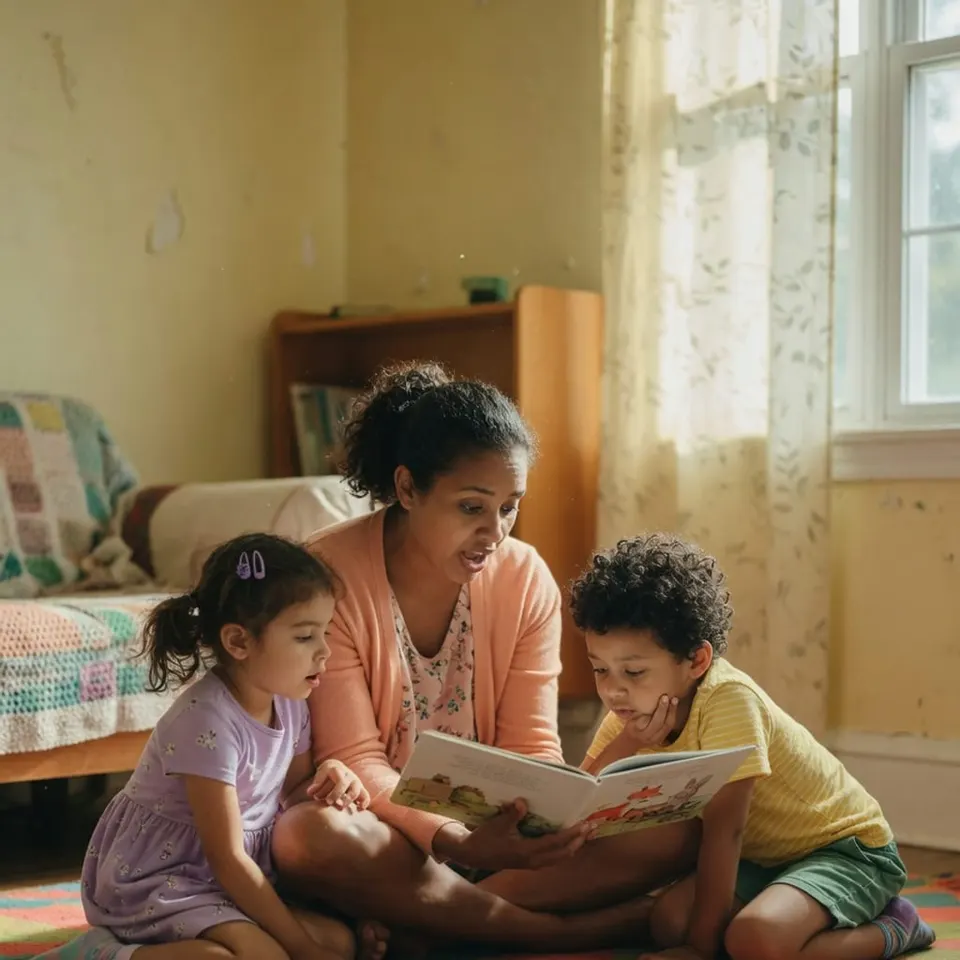
In-home Applied Behavior Analysis (ABA) therapy brings evidence-based support directly to your family's living room, backyard, or community settings. For many families in California, this model reduces the stress of travel, allows for natural routines (like mealtime or bedtime) to become teaching moments, and helps skills transfer more easily to daily life. A BCBA (Board Certified Behavior Analyst) designs a personalized plan, while registered behavior technicians (RBTs) implement it under supervision.

🔗 Related reading: Utah Regional Centers & Family Support: A Guide · Local ABA Therapy
What to Look for in an In-Home ABA Provider
BCBA Qualifications and Experience
The BCBA overseeing your child's program should hold current certification from the Behavior Analyst Certification Board (BACB) and be licensed in California. Ask about their experience with your child's age group and specific challenges (e.g., communication, social skills, or challenging behaviors). A good BCBA will conduct initial assessments, write measurable goals, and supervise the RBTs regularly.
RBT Training and Supervision
Direct therapy is typically delivered by RBTs. Ensure the provider offers ongoing training, regular supervision (at least 5% of hours per BACB standards), and a system for feedback. You should feel comfortable asking questions and observing sessions.
Family Involvement and Parent Training
Effective in-home ABA includes parent training. The provider should teach you strategies to support your child between sessions, align goals with your family's values, and adjust the plan as your child grows. Avoid providers who treat therapy as a drop-off service.
Looking for ABA therapy for your child? We match families with vetted, BCBA-led providers near you.
Get matched freeInsurance and Costs in California
Private Insurance Coverage
California law (SB 946) requires many private health plans to cover ABA therapy for autism. Contact your insurer to confirm benefits, copays, deductibles, and whether the provider is in-network. A free matching service can help you find providers who accept your plan.
Medi-Cal and Regional Centers
California's Medicaid program, Medi-Cal, covers ABA through the Early and Periodic Screening, Diagnostic and Treatment (EPSDT) benefit. Regional centers may also fund ABA for children under three or those with developmental delays. Providers must be enrolled as Medi-Cal providers. Ask about wait times, as demand is high.
Out-of-Pocket Costs and Sliding Scales
Some providers offer sliding-scale fees or private pay options if insurance is unavailable. However, ABA can be expensive (often $50-$150 per hour), so explore all funding sources first.
🔗 Related reading: Choosing an In-Home ABA Provider in SC · Nearby ABA Therapy
How to Start the Search
Use a Free Matching Service
Instead of cold-calling dozens of clinics, use a free service like ABA Clinics Near Me. You answer a few questions about your location, insurance, and preferences, and they connect you with vetted, BCBA-led providers in your area. This saves time and ensures you only speak with qualified options.
Interview Multiple Providers
Schedule phone or video calls with at least two or three providers. Ask about their assessment process, supervision frequency, cancellation policies, and how they handle challenging behaviors. A good provider will answer clearly and welcome your questions.
Check References and Reviews
Read online reviews on Google, Yelp, or parent forums. Ask the provider for references from current or past families. Look for consistent positive feedback about communication, progress, and respect.
Common Mistakes to Avoid
- Choosing based on availability alone. A provider with immediate openings may not be the best fit. Prioritize quality and BCBA experience.
- Ignoring parent training. You are your child's best advocate. A provider who doesn't train you is missing a key component of effective ABA.
- Not verifying insurance. Always confirm coverage and prior authorization requirements before starting services.
- Overlooking the BCBA's role. Ensure the BCBA is actively involved, not just a name on paper.
- Skipping the trial period. Most providers offer a trial session. Use it to see if the RBT and your child click.

What to Expect During In-Home Sessions
Typical sessions last 2-4 hours, several times a week. The RBT will work on goals like communication, self-help, social skills, and reducing challenging behaviors. The BCBA will visit monthly (or more) to update the plan. You should receive regular progress reports and have open communication with the team.
Making the Final Decision
Trust your instincts. A great provider will listen to your concerns, respect your family's culture, and celebrate your child's strengths. Once you've chosen, request a written service agreement that outlines hours, fees, supervision, and cancellation policies. Remember, you can switch providers if the fit isn't right.
If you're feeling overwhelmed, let a free matching service do the legwork. They'll connect you with vetted, BCBA-led providers in California who accept your insurance and align with your needs. You deserve a partner in your child's journey.